
ERP Software for Wood Industry & Timber Management
ERP Software for Wood Industry & Timber Management
The wood industry is one of the oldest and most essential industries in the world, serving as a backbone for construction, furniture, paper production, and countless other sectors. From forests to factories, the wood industry plays a vital role in driving economies, promoting sustainability, and meeting the increasing global demand for renewable materials.
A Renewable Resource:
Wood is one of the few natural materials that is both renewable and biodegradable, making it an environmentally friendly option in today’s push for sustainability. The wood industry relies on responsibly managed forests, where trees are planted, harvested, and replanted in cycles, ensuring the long-term health of ecosystems. Sustainable forestry practices help maintain biodiversity, combat deforestation, and reduce carbon footprints, while also supporting the livelihoods of millions of people around the world.
Versatility of Wood Products:
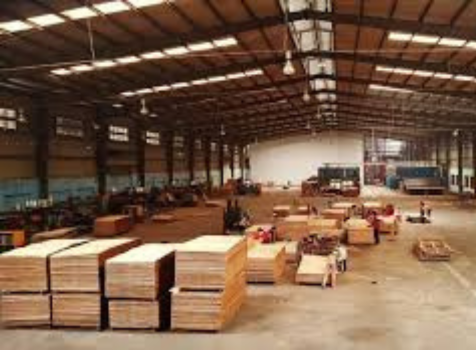
The versatility of wood makes it indispensable in various industries. From construction materials like lumber, plywood, and timber to fine furniture and paper products, wood’s adaptability is unmatched. Wood is a key material in building homes, offices, and infrastructure, offering strength, insulation, and a natural aesthetic that is highly valued in architecture and design.
Innovation in Wood Products:
The wood industry is embracing innovation to meet modern challenges and opportunities. Engineered wood products, such as cross-laminated timber (CLT) and laminated veneer lumber (LVL), are revolutionizing construction by offering stronger, more sustainable alternatives to traditional building materials like steel and concrete. These products are not only lightweight and durable but also promote faster construction and reduced environmental impact.
Sustainability and the Circular Economy:
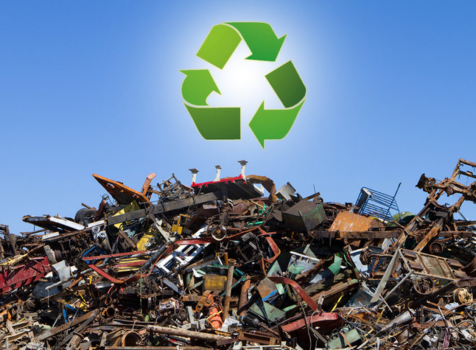
At the heart of the wood industry’s future is its commitment to sustainability. Wood is a key player in the circular economy, where products are designed to be reused, recycled, or composted at the end of their lifecycle. Wood waste from sawmills and manufacturing processes is often repurposed into particleboard, pellets for energy production, or paper, minimizing waste and maximizing resource efficiency.
Challenges Facing the Wood Industry:
While the wood industry has many advantages, it also faces challenges, including climate change, illegal logging, and forest degradation. The industry is working to address these issues through certifications such as those from the Forest Stewardship Council (FSC) and Programme for the Endorsement of Forest Certification (PEFC), which promote sustainable forestry practices. Governments, NGOs, and industry stakeholders are collaborating to ensure that wood production remains environmentally responsible and socially equitable.
Future of the Wood Industry:
The future of the wood industry is closely tied to sustainability, innovation, and responsible forest management. As the world shifts toward more eco-friendly materials, the demand for wood is expected to rise. The industry will continue to play a key role in green building initiatives, bioenergy production, and the development of sustainable packaging alternatives.
In conclusion, the wood industry is not only a pillar of economic development but also a leader in sustainable practices. From forest management to cutting-edge wood products, the industry’s commitment to renewable resources ensures its relevance in a rapidly changing world focused on environmental stewardship.




Our Clients