Recycling ERP Software for Waste & Scrap Management
Recycling ERP Software India
The recycling industry is at the heart of the global movement toward sustainability, playing a critical role in minimizing waste, conserving resources, and reducing environmental impact. As the world grapples with increasing pollution and limited natural resources, recycling offers a powerful solution for creating a more sustainable future.
Turning Waste into Opportunity:
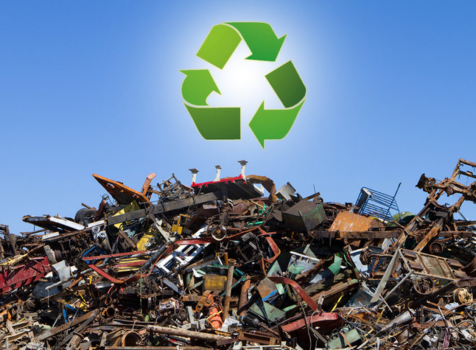
Recycling involves the collection, processing, and repurposing of materials that would otherwise end up in landfills or incinerators. This process allows products such as paper, plastics, metals, and glass to be transformed into new materials, reducing the need for virgin resources. The industry spans various sectors, from municipal waste management to industrial recycling, ensuring that valuable materials are reclaimed and reintroduced into the production cycle.
Environmental Benefits:
One of the primary drivers of the recycling industry is its ability to reduce the environmental burden associated with waste. Recycling reduces the amount of waste sent to landfills, curbs greenhouse gas emissions from waste disposal processes, and conserves energy that would otherwise be required for the production of new materials. For example, recycling aluminum saves up to 95% of the energy needed to produce it from raw ore.
Circular Economy:
At the core of the recycling industry's growth is the concept of the circular economy, which encourages the continuous use of resources by keeping products and materials in use for as long as possible. The recycling industry forms the backbone of this economic model, enabling the recovery of materials that can be repurposed in a variety of industries, including packaging, construction, automotive, and electronics.
Technological Innovations:
Technological advancements have revolutionized the recycling industry, making the process more efficient and effective. Modern recycling facilities use sophisticated sorting technologies like AI, robotics, and sensor-based sorting to separate and process materials more accurately. Innovations such as chemical recycling for plastics and advanced metals recovery systems allow previously hard-to-recycle materials to be reused, expanding the range of products that can be diverted from landfills.
Economic Impact:
The recycling industry also has a significant economic impact, creating jobs and driving growth in related sectors. From waste collection and material processing to manufacturing and retailing recycled products, the industry supports millions of jobs globally. As governments and businesses prioritize sustainability, the demand for recycled materials continues to rise, fostering new business opportunities and investments in green technologies.
Challenges and Future Outlook:
Despite its benefits, the recycling industry faces challenges, including contamination in recycling streams, the need for better consumer education, and varying recycling rates across regions. However, increased public awareness, government regulations, and corporate commitments to sustainability are driving positive changes.
In conclusion, the recycling industry plays a crucial role in shaping a greener future by transforming waste into valuable resources. Through innovation, environmental stewardship, and economic opportunity, the industry is leading the charge toward a more sustainable world, proving that what we discard can be repurposed for the greater good.



Our Clients